

Purchase Power Determines Which Properties You Can Pursue
Mortgage Pre-Approval Guidance in Scottsdale, AZ for buyers who need financing clarity before submitting offers in competitive markets
Pre-approval involves reviewing income, assets, liabilities, and overall financial readiness so you know how much you can borrow and what monthly payments will look like before you tour properties in Scottsdale, AZ. Jennifer Katz explains the difference between pre-qualification, which provides a rough estimate based on self-reported information, and full pre-approval, where a lender reviews documentation and issues a commitment letter that strengthens your position when competing with other buyers. Sellers and listing agents view pre-approved offers as lower-risk because the buyer's financial capacity has already been verified by an underwriter rather than relying on estimates that might not hold up during final loan processing.
The process includes gathering recent pay stubs, W-2 forms, tax returns, bank statements, and employment verification, then submitting that documentation for underwriter review. Jennifer guides you through identifying loan programs and financing structures that support your homeownership goals, whether that means minimizing monthly payments, reducing total interest costs, or preserving cash reserves for renovations after closing. She explains how debt-to-income ratios are calculated and what changes you can make to improve your borrowing capacity if initial calculations show you're close to qualification thresholds.
Begin your pre-approval planning process with a financial review that clarifies your purchasing power and loan options.
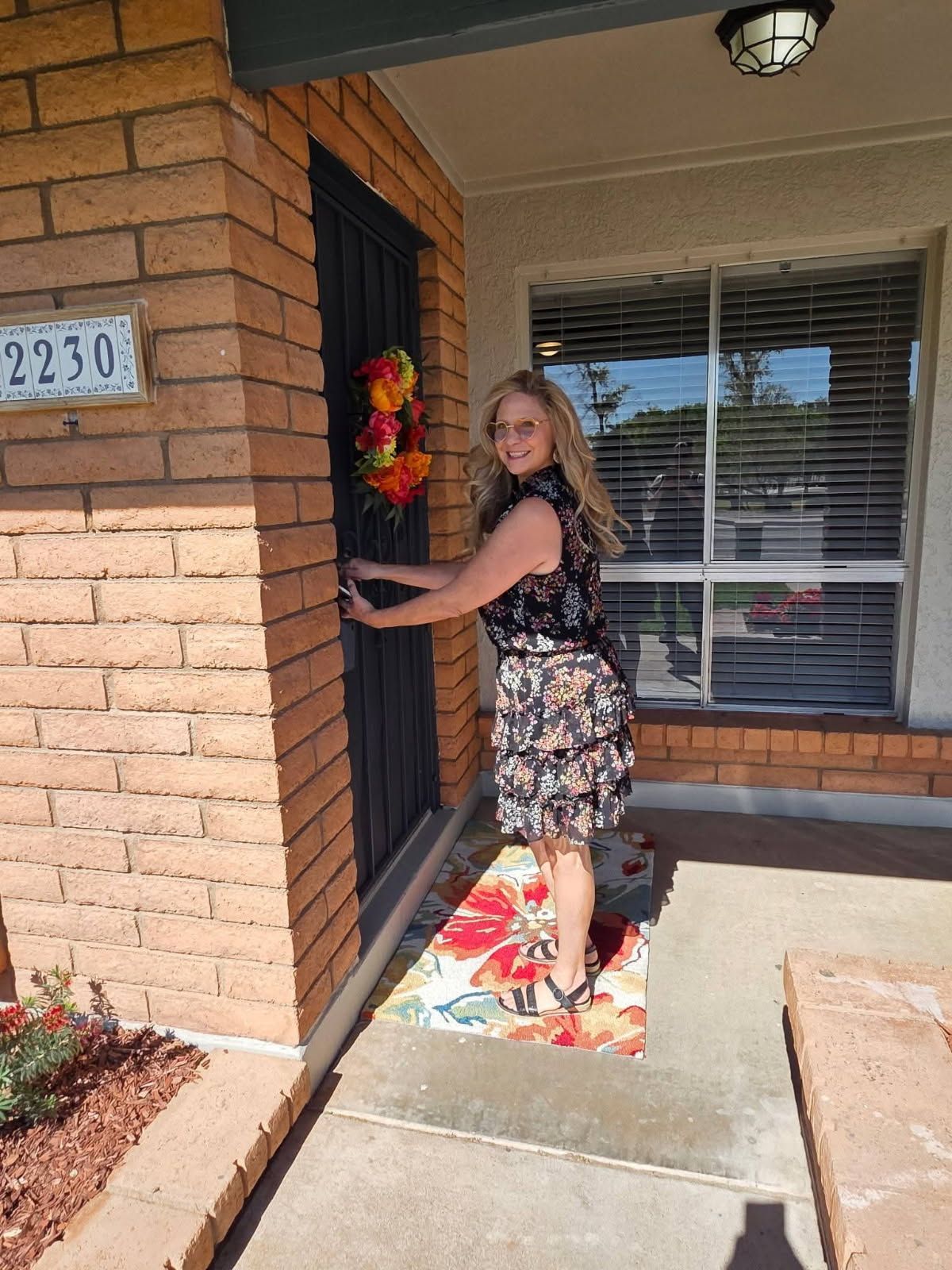
Why Pre-Approval Matters During Offer Negotiations
A strong pre-approval improves negotiating power because sellers know you've already passed underwriting review and are less likely to encounter financing issues that delay or cancel the transaction. When multiple buyers submit offers on the same property, sellers often prioritize pre-approved buyers over those who only provide pre-qualification letters, especially in price ranges where inventory moves quickly and backup offers are common. Jennifer explains how pre-approval timelines work and when you should update your documentation if your financial situation changes or if your home search extends longer than the typical 90-day validity period lenders assign to approval letters.
Once you're pre-approved, you'll have a clear purchasing strategy that defines your price range, required down payment, estimated monthly costs, and loan program structure before you view properties. You'll also understand what conditions must remain stable between pre-approval and closing, such as maintaining employment, avoiding new debt, and preserving the assets you disclosed during the initial review. This prevents surprises during final underwriting when lenders re-verify financial information and identify any changes that occurred during the transaction period.
Pre-approval also creates opportunities to address potential issues before you're under contract, giving you time to resolve credit report errors, document unusual income sources, or restructure debt if needed to meet qualification thresholds. Starting with a clear financial picture allows you to focus your property search on homes you can realistically afford and finance.
What Property Owners Usually Ask
Buyers preparing for pre-approval often have questions about documentation requirements, how the process works, and what happens after approval is issued.
What's the difference between pre-qualification and pre-approval?
Pre-qualification provides an estimate based on self-reported financial information, while pre-approval involves submitting documentation for underwriter review and results in a commitment letter that specifies the loan amount, program type, and conditions that must be satisfied before closing.
How long does the pre-approval process take?
Initial pre-approval typically takes three to five business days after you submit complete documentation, though timelines extend if the underwriter requests additional information or if your income sources require extra verification like business tax returns for self-employed buyers.
Does pre-approval guarantee my loan will be funded?
Pre-approval is conditional and remains valid only if your financial situation stays stable, meaning you maintain employment, avoid new debt, and don't make large purchases or withdrawals that change your debt-to-income ratio or available assets before closing.
How does pre-approval strengthen my offer in Scottsdale's market?
Sellers receive multiple offers on desirable properties, and listing agents advise their clients to prioritize pre-approved buyers because the financing risk is lower and the likelihood of closing on schedule is higher compared to buyers who haven't completed underwriter review.
What documentation will I need to gather?
You'll provide recent pay stubs covering the last 30 days, W-2 forms from the past two years, federal tax returns if you're self-employed or have rental income, bank statements showing at least two months of account history, and explanations for any large deposits or credit inquiries.
Jennifer Katz helps buyers understand their purchasing power and prepare for mortgage approval before they start viewing properties, creating a clear path from financial planning to offer submission. Arrange a pre-approval consultation that reviews your current financial profile and outlines next steps toward homeownership.